Meet Tangem: Category-Defining Crypto Hardware, Built for Real People
Tangem is a Swiss-headquartered hardware wallet company with a genuinely category-defining product. Their NFC-enabled crypto cold wallets — including both a card-format wallet and the world's first ring-form hardware wallet — combine the security of cold storage with an approachability that most hardware wallets have never come close to achieving. No seed phrases to manage, no technical setup, just tap and go.
With over six million devices deployed across 170 countries and a security architecture that has never been breached, Tangem had the product story. When they came to us, they had solid traction online and a presence on Amazon. Breaking into brick-and-mortar retail — and doing it right — was a different game entirely.
Crypto hardware wallets aren't new to Best Buy — which actually raised the bar. Tangem wasn't walking into a blank slate. They were walking into a category where a standard had already been set, and they needed to make the case that the Tangem Ring and its seedless design brought something genuinely additive: a new form factor, a lower barrier to self-custody, and real choice for consumers.
The Challenge: Earning Premium Real Estate in a Competitive Category
The pitch had to do more than introduce a product. It had to make the case that Tangem brought something genuinely additive to the category — a differentiated form factor in the Tangem Ring, a seedless design that lowered the barrier to self-custody, and a second option that gave Best Buy's customers real choice. Getting Best Buy excited about expanding the category with Tangem, rather than just filling a slot, required a sharp retail narrative and a credible execution plan behind it.
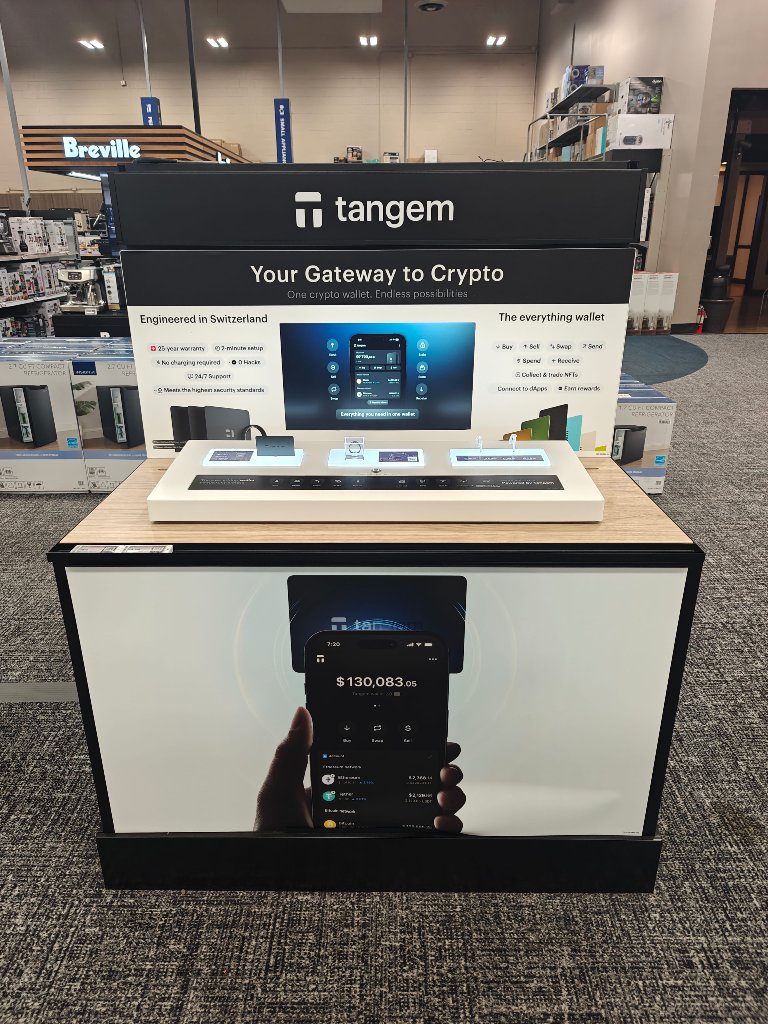
And the execution plan was ambitious. Tangem's vision for their in-store presence wasn't a simple shelf placement — it was a standalone endcap display, backlit product, digital video running, ring sizers so customers could physically try the Tangem Ring before buying, and their full range of card and ring SKUs represented. Building that from scratch — manufacturing overseas, shipping through U.S. customs, installing across 225 store locations — ran in parallel with the commercial negotiation.
How Lov Retail Executed — Step by Step
The first step was the hardest — and the most important. We leveraged our relationships with the Best Buy buying team to make the right introduction at the right level. Tangem had a compelling product and a compelling story, but getting that story in front of the right decision-makers requires access that takes years to build. We made those calls, set the meetings, and got Tangem in front of the people who matter.
Once we had the room, we helped Tangem fill it. We worked side by side with the Tangem team to build pitch materials that spoke Best Buy's language — framing the crypto self-custody category in terms of consumer opportunity and retail timing, and making the business case clearly and confidently. Then we led those pitch meetings. Not just attendees — we ran point, managed the conversation, and made sure every question from the Best Buy team had a strong, credible answer.
Getting a "yes" is only the beginning. The commercial structure that follows — pricing, margins, marketing program requirements, return policies, replenishment terms — is where a retail launch can win or lose. We negotiated directly with Best Buy on Tangem's behalf to secure a program that worked for the brand and gave the launch a real chance to succeed.
Tangem knew they needed more than shelf space. For a product like this — an entirely new category for most consumers — the in-store experience had to educate and convert. We worked with the Tangem team to plan and refine their endcap concept: a standalone, backlit fixture running video content, ring sizers so customers could physically try the Tangem Ring, and organized SKU presentation across their card and ring product line.
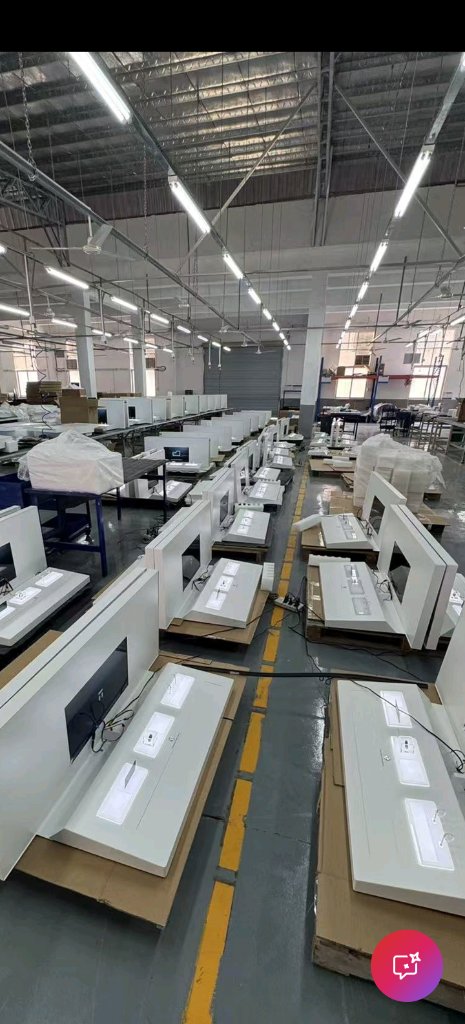
Designing the display and building it are two very different things. We helped Tangem identify and vet vendors capable of manufacturing their display to spec, managing that search and selection process so the Tangem team could stay focused on their business. The displays were manufactured overseas, shipped through Los Angeles, cleared customs, and distributed to 225 Best Buy stores. Every step of that supply chain required active coordination — and we were in the middle of it throughout.
The Result: 225 Stores, a Landmark Launch
Tangem cold wallets are now live in 225 Best Buy locations across the country, alongside placement on BestBuy.com. Consumers can walk into their local Best Buy, find a dedicated Tangem endcap, watch a video explanation of self-custody, try on a Tangem Ring, and walk out with a hardware wallet that used to only be accessible to the technically adventurous. That's a meaningful expansion of who self-custody is for.
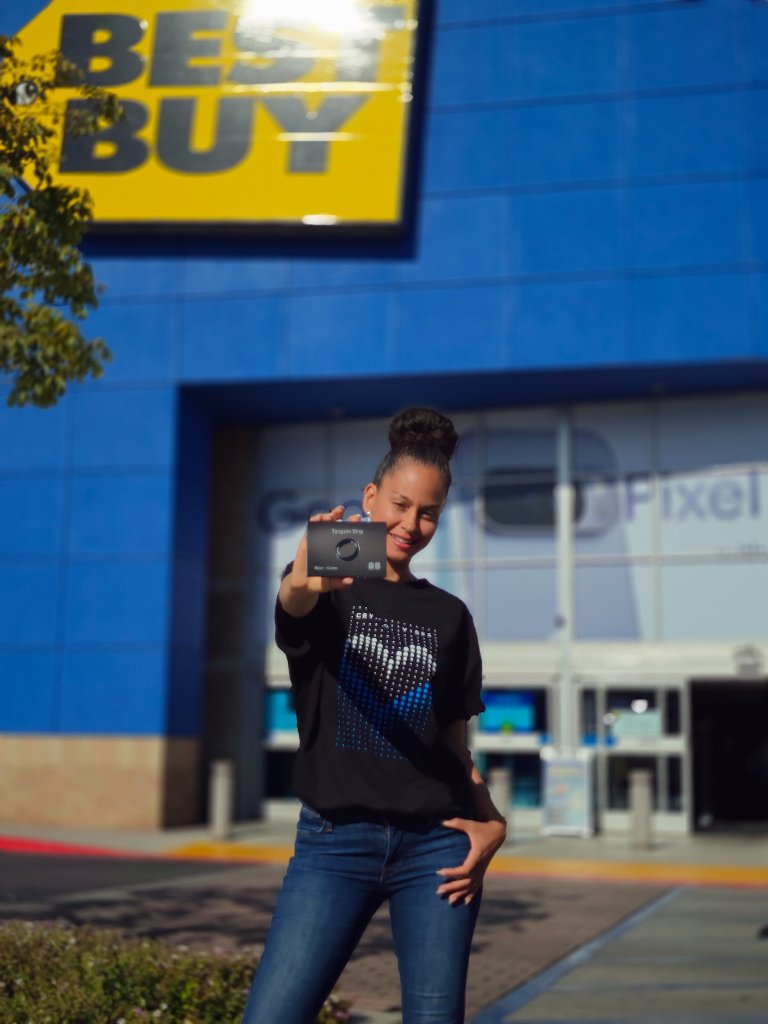
"Getting Tangem Wallets onto Best Buy shelves means that for the first time, any consumer can access a hardware wallet that is both genuinely secure and genuinely easy to use. That combination has never existed at this scale, and it fundamentally changes who self-custody is for."
What Every Brand Can Learn From the Tangem Playbook
The Tangem placement at Best Buy was not luck — it was the output of a deliberate strategy executed with precision across commercial, creative, and operational workstreams simultaneously.
Category incumbency raises the bar. Crypto wallets weren't new to Best Buy — which meant Tangem had to earn prime real estate, not just fill a slot. The pitch had to be additive, not just competitive.
The display is part of the product pitch. For a product that most consumers have never encountered, the in-store experience does the selling. Tangem's endcap wasn't an afterthought — it was central to why Best Buy said yes.
Supply chain coordination is a service. Getting 225 displays manufactured overseas, through customs, and onto store floors is a full operation. Brands that underestimate this risk delays, cost overruns, or a missed launch window.
Access is the first problem to solve. Warm introductions at the right level made the difference between weeks of progress and months of waiting. The relationships had already been built — they just needed to be activated.
Simultaneous online and in-store amplifies both. Launching on BestBuy.com at the same time as in-store gave Tangem omnichannel credibility and drove traffic in both directions.
Tangem's path from Swiss startup to 225 Best Buy locations — with a custom endcap display — is a repeatable outcome for brands that arrive at the conversation prepared. The Retail Readiness Report is where that preparation starts.