The Shelf Has Changed: What Physical Retail Means for CE and Small Appliances in 2026
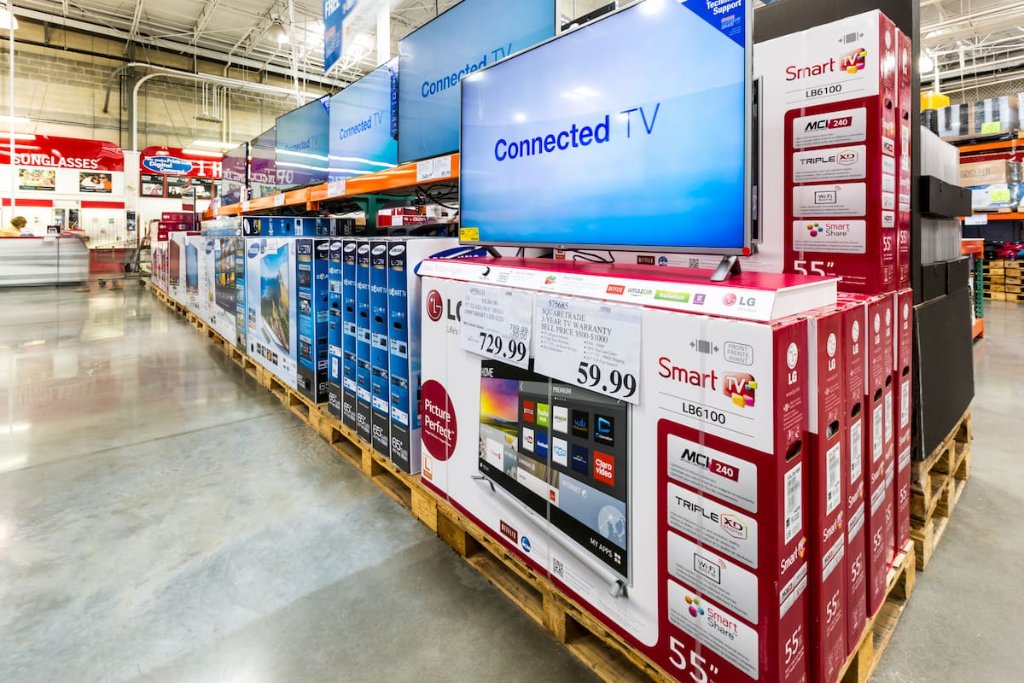
Ten years ago, physical retail was still king for consumer electronics and small kitchen appliances. The formula was relatively straightforward: land a SKU, ship to the DC, get on the planogram, and let foot traffic do the work. Big-box stores were the authority. If you were on a Best Buy shelf, you had legitimacy. If you were in a Costco roadshow, you were moving volume. If Target put you in the aisle, you were a real brand.
For brands, the playbook was about getting in and staying in. Buyer relationships mattered enormously, but category growth largely tracked with how many stores you were in and how many facings you had. The online threat was acknowledged but not yet truly felt in the CE and small appliance space. Amazon existed, but most shoppers still wanted to see a product in person before buying a $60 blender or a $150 soundbar.
Retail media as a formal concept barely existed. Co-op dollars went to circular ads, end caps, and the occasional TV spot. The in-store associate was still a meaningful part of the purchase journey, especially at Best Buy, where a Blue Shirt recommendation carried real weight. Brands invested in training programs because it paid off. In short: physical placement drove discovery, physical presence drove credibility, and physical volume drove the business.
If you were on a Best Buy shelf, you had legitimacy. That equation hasn't disappeared. It's just gotten more complicated. The shelf still has power — but it's stopped being passive.
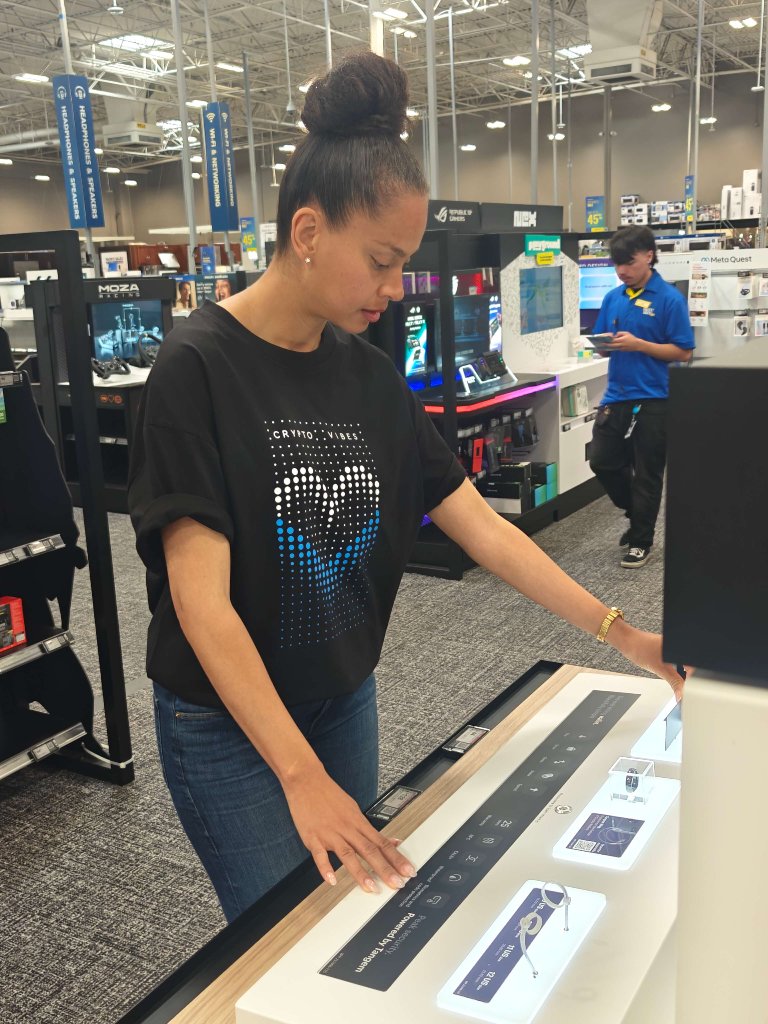
What's Happened Since
The last decade compressed what should have been a 20-year evolution into roughly five years. COVID didn't start the shift. It just floored the accelerator. Online penetration for CE and appliances jumped hard and never fully came back down. About 78% of Americans are now comfortable purchasing major appliances online, up from 73% just a year prior. That's a consumer base that's genuinely comfortable skipping the store.
At the same time, offline channels still held about 57% of consumer electronics retail market share in 2025, with online channels growing fastest but physical retail still commanding the majority of actual transactions. The floor isn't dead. But it's earned differently now.
For brands, what changed most isn't the importance of retail. It's the cost and complexity of competing at retail. Assortments have been tightened. Retailers are simplifying SKU counts and reevaluating what each product actually contributes to the category. Getting on the shelf is harder. Staying on the shelf is harder. And getting dropped is faster than it used to be.
Retail media went from an afterthought to a real budget line. Over the past decade, more and more retailers have realized they can monetize their purchase data to help brands reach consumers, and it's become a significant new revenue stream. For brands, this means spending at retail doesn't end with the buy-in. It extends to sponsored placement, digital shelf, and in-store media buys that didn't exist a decade ago.
Retailer by Retailer: Where Things Stand
Each major U.S. retailer has evolved in a different direction over the past decade. Understanding what each floor is actually for — experience, discovery, volume, or value — is the single most important strategic decision a brand makes when planning its retail approach.
Best Buy — Still the most important physical retail door for CE, but under real pressure. Best Buy closed around 70 locations over the last three years and is now testing smaller-format stores focused on experience over inventory depth. For CE brands, Best Buy remains the prestige door. The challenge: vendor marketing spend requirements are rising as the chain leans on its retail media program.
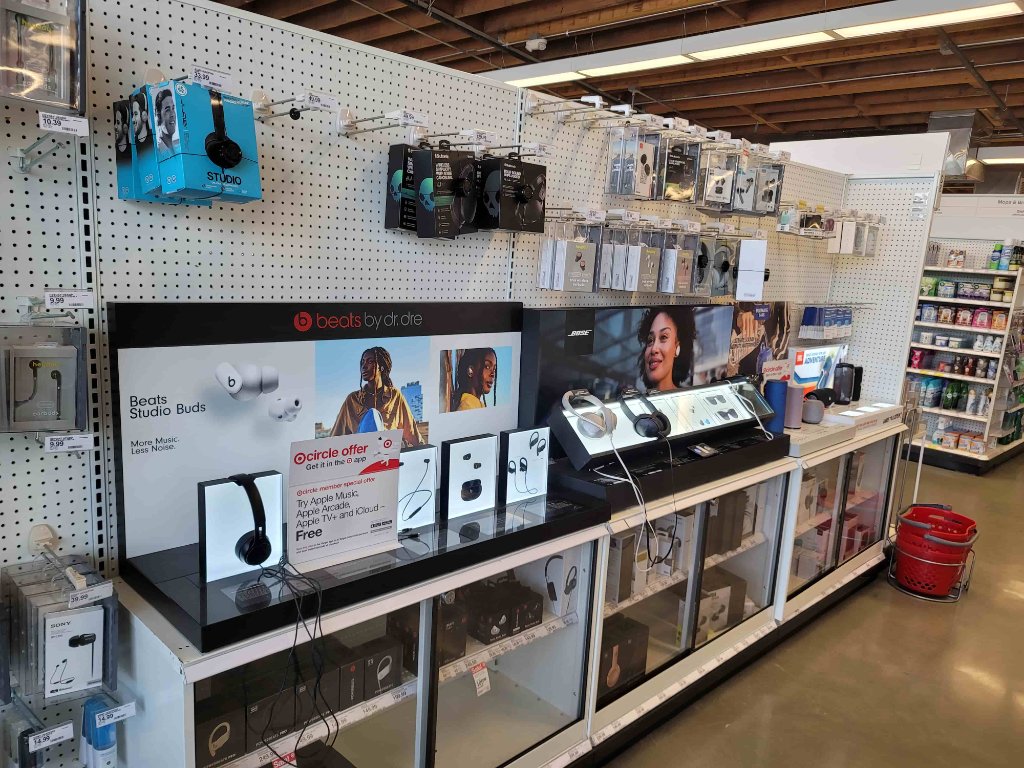
Target — A stronger player for small appliances than most people credit. The visual merchandising environment is excellent for lifestyle-forward brands, and their guest demographic skews higher income. The downside: limited SKU depth and a trend-forward buyer culture means today's hot product can be tomorrow's clearance item.
Costco — The single most powerful volume door in U.S. retail for the right product at the right price. The model rewards simplicity: one SKU, one item number, one shot. If it doesn't turn, you're out. But if it works, the volume is unmatched, and it forces brands to rethink their cost structure entirely.
Walmart — Volume at scale, full stop. Walmart's value-focused customer set creates real constraints on price and margin. The opportunity is massive but so is the cost of doing business. Walmart has been aggressively building out its retail media network and pushing suppliers toward greater digital shelf investment.
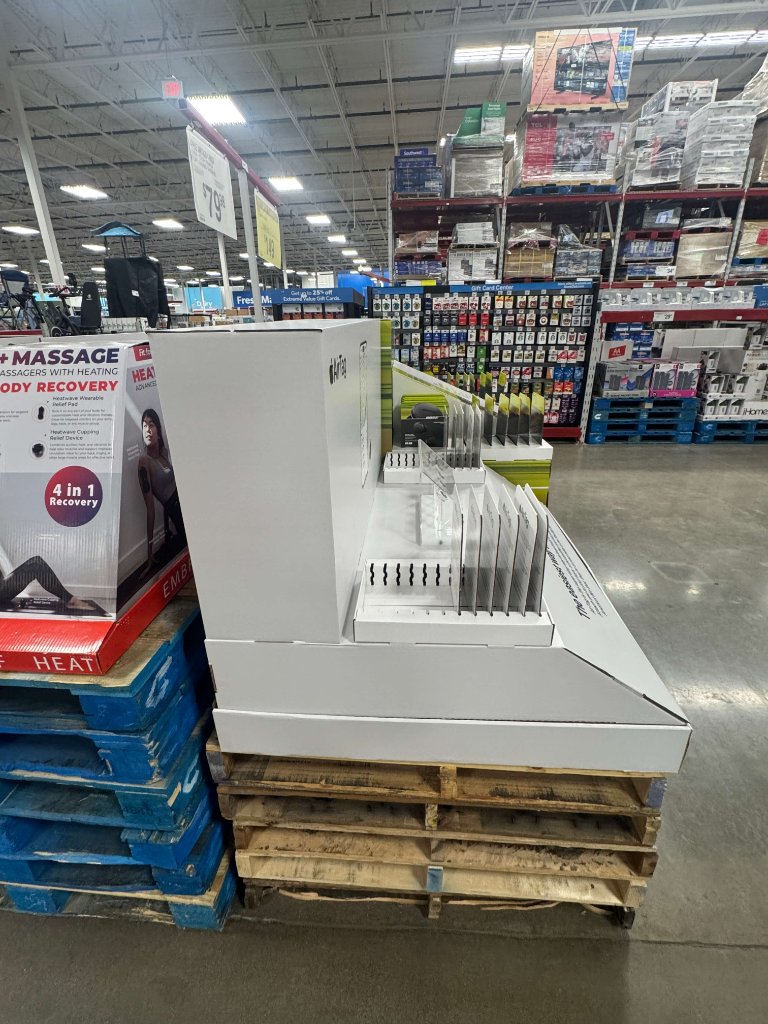
Sam's Club deserves a mention alongside Costco for the same fundamental reason: club channel volume with a loyal, repeat-purchase membership base. As a channel, club is growing faster than traditional big box right now and often gets overlooked in brand strategy conversations.
Where Things Are Going
Despite years of predictions about its decline, physical retail is showing real resilience. 80% of shopping is still happening in-store, and shopping center vacancies are at a two-decade low. But the store's job description has changed.
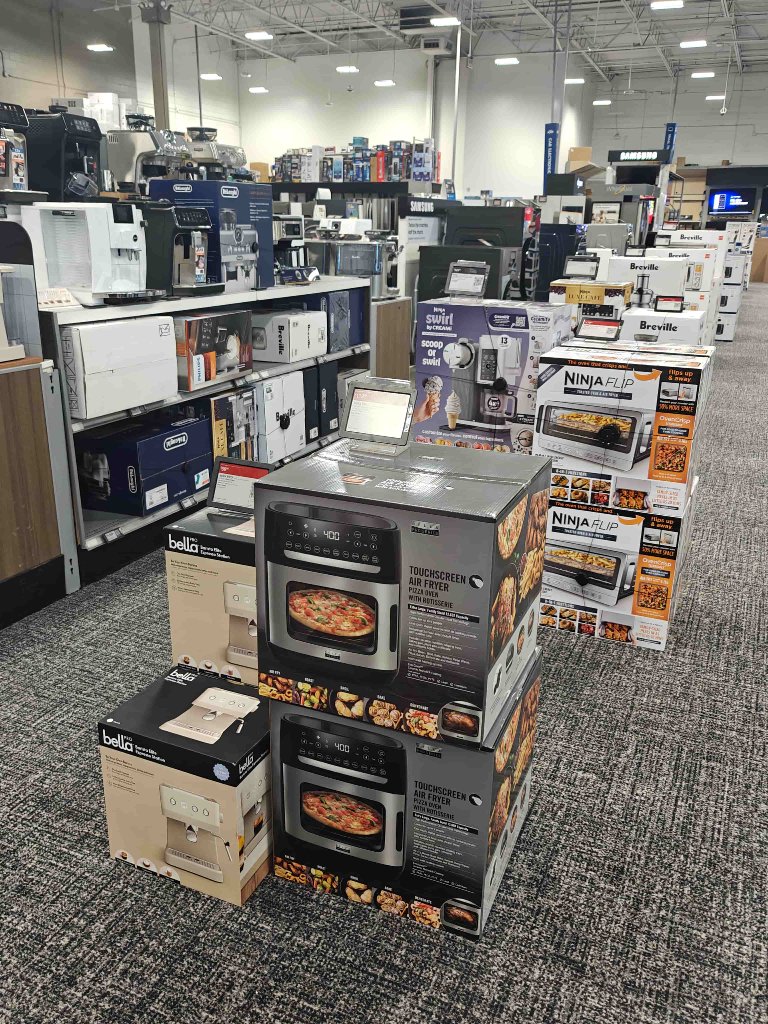
The store is no longer primarily a warehouse with a cash register. Big-box electronics retailers are downsizing floor space and repositioning as technology destinations: places that display fewer goods but provide more product context, answer questions, and function as omnichannel fulfillment nodes. You can touch the product, but you might be ordering it for delivery from that same floor.
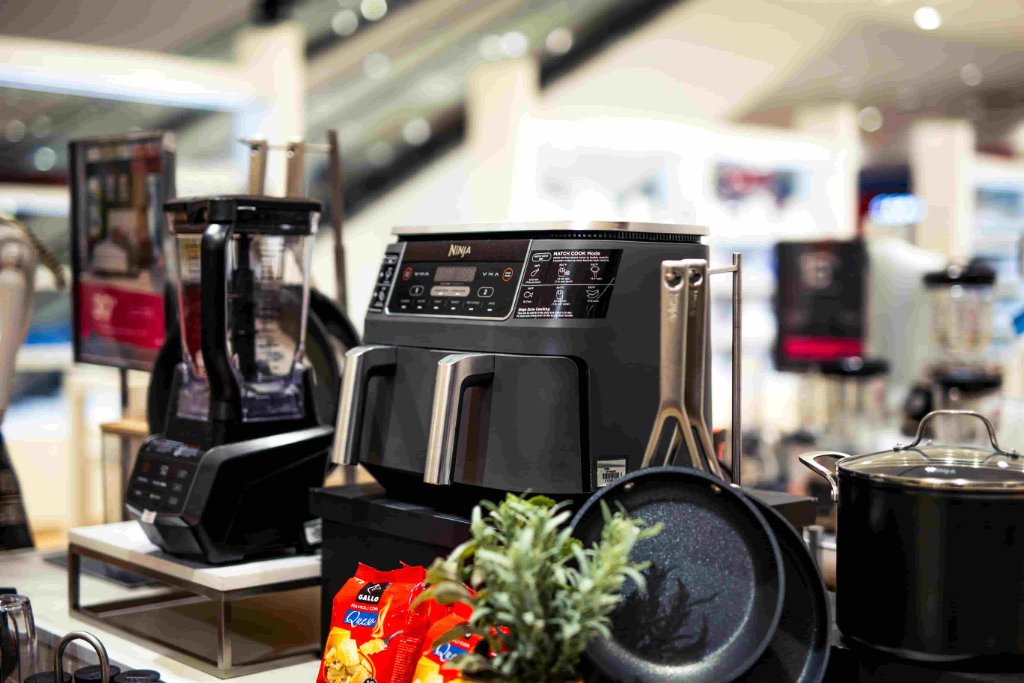
Brands are increasingly moving toward branded experience concepts and pop-up formats, replacing traditional aisle presence with immersive, technology-driven encounters. This works better for some categories than others, but it signals where the premium end of CE and kitchen appliances is heading: toward demonstration-forward, experiential retail, less reliant on a traditional planogram.
The shelf itself now starts before the store. Products that perform well online often receive greater in-store merchandising priority, driven by digital demand signals to inform physical shelf placement. A brand that wins on Amazon or on its DTC site has a stronger case to make to a Target or Best Buy buyer than a brand that only has in-store numbers. The two channels are feeding each other in ways they didn't in 2015.
The small appliance category is especially interesting going forward. Demand for convenience-driven, compact, multifunctional devices is shaping product innovation, and that maps well to in-store discovery. You still want to see an air fryer or a countertop espresso machine in person before you buy it. That tactile moment keeps physical retail relevant for this category even as other CE segments commoditize online.
About 38% of U.S. homes now have at least one smart appliance, and that number is growing. As products get smarter and more connected, the in-store associate's role in explaining features becomes relevant again — which is good news for retailers willing to invest in floor staff, and a real opportunity for brands that support training programs.
Our Takeaways
↑ Physical retail is specializing, not dying. Brands that understand what each retailer's floor is actually for — experience, discovery, volume, value — will outperform brands chasing placement for its own sake.
↑ Club channel is having a moment. Costco and Sam's are growing category share in small appliances while traditional big box consolidates. If your product can be right-sized for club, this is worth prioritizing.
↓ Shelf space is getting harder, not easier. Retailer assortment rationalization is real and ongoing. The days of getting a second or third SKU on faith are over. Every item has to prove its velocity or it goes.
↓ Retail media spend is now non-negotiable. It wasn't a line item in a 2015 brand budget. It's often a condition of doing business today. Brands that don't plan for it will lose placement to brands that do.
→ Digital and physical are now connected. Retailers are watching online sell-through and using it as a signal for in-store decisions. Your Amazon PDP and your retail buyer conversation are part of the same story.
→ Best Buy remains the prestige door for CE. But the cost of staying in is rising. Brands need to be clear-eyed about whether the margin math works, and what the floor presence is actually buying them beyond validation.
↑ Small kitchen appliances still win in-store. The category benefits from demonstration and tactile experience in a way that keeps physical retail genuinely relevant — more so than commodity CE like cables or accessories.
The shelf hasn't lost its power. It's just stopped being passive. Brands that treat retail as an active, invested partnership — backed by data, marketing spend, and product discipline — are the ones that will earn and keep floor space over the next decade. The brands that still think getting on the shelf is the win are going to get a rude wake-up call at the next reset.